
Why San Francisco needs a different GTM lens
The challenge here is often not innovation. It is turning innovation into a story that still makes sense once the buyer starts asking about mechanism, workflow change, implementation and why the product is better than what else is possible.
In this market, the line between impressive and believable can be very thin. Teams often have something genuinely new, but the narrative outruns the evidence before the buyer has had a chance to understand the mechanism. That is where positioning has to slow the room down just enough for the claim to become credible.
The best San Francisco work keeps the ambition, but it grounds that ambition in a concrete use case, a clear category frame and proof that can survive a hard comparison.
AI-heavy markets
Buyers need a smaller, more honest explanation of why the product can produce a different result.
Infrastructure software
Technical depth matters, but it has to map to real commercial consequences.
Fast-moving categories
Messaging needs versioning, evidence and the ability to keep up with product change.
Competitive intensity
The story must stand up in comparison-heavy evaluation journeys.
Industries that fit San Francisco work
San Francisco is strongest where the product is technically complex and the market is deciding whether the mechanism itself is the differentiator.
AI is the obvious example, but the real pattern is broader. Infrastructure, developer tools and sophisticated SaaS all need a story that explains not only what the product does, but why the mechanism is worth believing in.
When the market is fast-moving, the messaging also has to stay honest over time. That means versioning the story, keeping the proof current and avoiding the temptation to let every new capability become a new category.
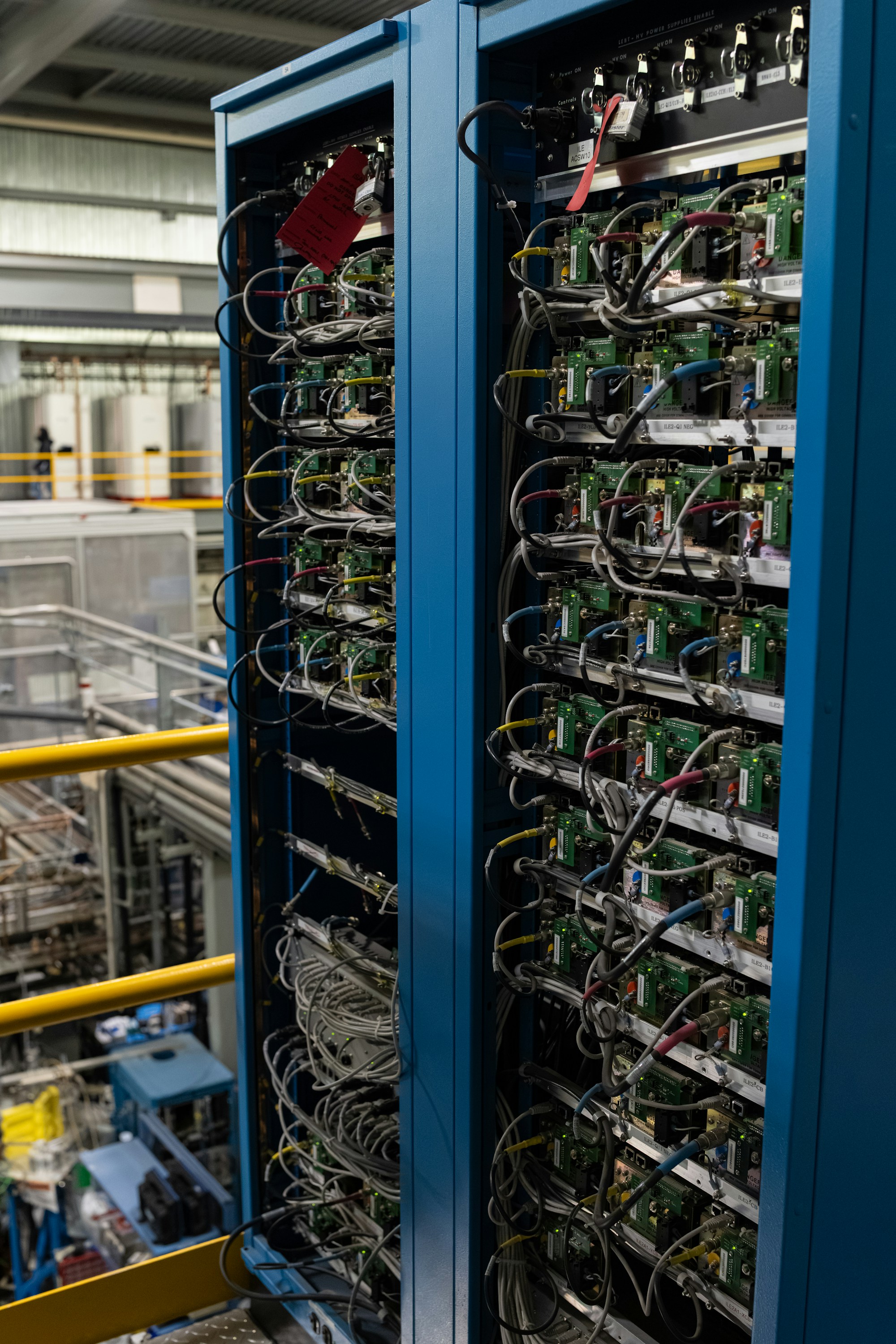
AI
Product marketing that explains what is actually different about the model, workflow or outcome.
Infrastructure
Positioning that makes deep technical work legible to non-technical buyers.
B2B SaaS
Sharper category framing, proof and launch clarity for growth-stage software.
Developer tools
Messaging that connects developer adoption to business value and market fit.
What effective San Francisco GTM does
The best result is a story that stays ambitious without becoming slippery. It should make the product feel real, differentiated and believable enough for buyers, investors and the field to act on it.
The work is usually strongest when it translates complexity into something a buyer can reason about. Not a slogan, but a causal chain: what the product does differently, why that difference matters, and what result the buyer should expect if the environment is right.
That discipline changes launch quality, field confidence and investor understanding at the same time. It creates a position that can be repeated without being diluted.
Mechanism clarity
Buyers understand the smallest technically honest explanation for the result.
Proof discipline
Evidence is present early, not added only after the story has been drafted.
Sharper launch motion
Product, marketing and sales move together around the same claim.
Less category drift
The team knows what it is, what it is not and why that matters.
Need San Francisco-style GTM clarity?
Explore AI product marketing or SaaS positioning, then get in touch about the claim you need to sharpen.
Start a conversation